
On 14 June 1645 the English Civil War was effectively decided in a field a few miles from Market Harborough. The Royalist army was destroyed at Naseby, Charles I never assembled another like it, and the road that ended at a scaffold in Whitehall four years later began on that ridge.
Planning your stay?
Luxury Countryside Stays at The Loft — check availability and book direct.
What is remarkable is how little has changed. There is no heritage centre, no ticket office and no car park with a gift shop. The battlefield is farmland with monuments and viewing points, which means you see roughly what Fairfax and Cromwell saw. For anyone staying nearby it is ten minutes away and one of the most significant pieces of ground in English history.
The Battle of Naseby At A Glance
- Date: 14 June 1645
- Where: Near Naseby village, Northamptonshire, north-west of Northampton
- Who: Parliament’s New Model Army against the Royalist field army
- Commanders: Sir Thomas Fairfax and Oliver Cromwell against Charles I and Prince Rupert
- Result: Decisive Parliamentarian victory and the turning point of the First Civil War
- To visit: Free, open access, monuments and viewpoints rather than a visitor centre
- From Clipston: Around ten minutes by car
What Happened at the Battle of Naseby

Parliament had spent the winter rebuilding. The New Model Army was a deliberate reform: a single national force, paid and supplied centrally, commanded on merit rather than by whoever held the local title. Sir Thomas Fairfax led it, with Oliver Cromwell commanding the cavalry on the right wing.
The Royalists were outnumbered and knew it. Charles had detached troops elsewhere and chose to fight anyway, which was characteristic. Prince Rupert opened well, breaking the Parliamentarian left and driving it from the field, and then did what he had done before: kept going, chasing the fugitives instead of turning back into the battle.
Cromwell did the opposite. He broke the cavalry facing him, halted, reformed, and turned inward onto the exposed Royalist infantry. Caught between cavalry on one side and the New Model foot on the other, the Royalist centre collapsed. By the time Rupert returned there was nothing left to rescue.
The discipline is the whole point. Both cavalry commanders won their opening charge. Only one of them stopped, and that difference is why the Civil War ended the way it did.
Why the Battle of Naseby Was the Turning Point
Charles lost more than a battle. He lost his veteran infantry, and an experienced foot soldier is not something a seventeenth-century king could conjure over a winter. The Royalist cause fought on for another year but never again fielded an army capable of winning the war.
The second loss was arguably worse. The King’s private correspondence was captured with his baggage, and Parliament published it as The King’s Cabinet Opened. The letters showed Charles negotiating for Catholic and foreign military support, which was precisely what his opponents had claimed and his supporters had denied.
What Naseby Decided
- The Royalist field army was destroyed and never rebuilt to the same strength
- The New Model Army was vindicated, and with it the idea of promotion on merit
- Charles’s credibility collapsed when his captured letters were published
- Cromwell’s reputation was made, setting up everything that followed
- The First Civil War was effectively settled, though fighting continued into 1646
It is worth sitting with the scale of the consequences. The execution of a king, the only republic in English history and the Protectorate that followed all run back through this field.
The constitutional argument outlasted all of them. Whether a monarch could raise money and wage war without Parliament was the question underneath the fighting, and Naseby answered it by force rather than by law. The Restoration brought the monarchy back but never restored that particular claim, and the settlement reached after 1688 was built on ground that had already been decided here.
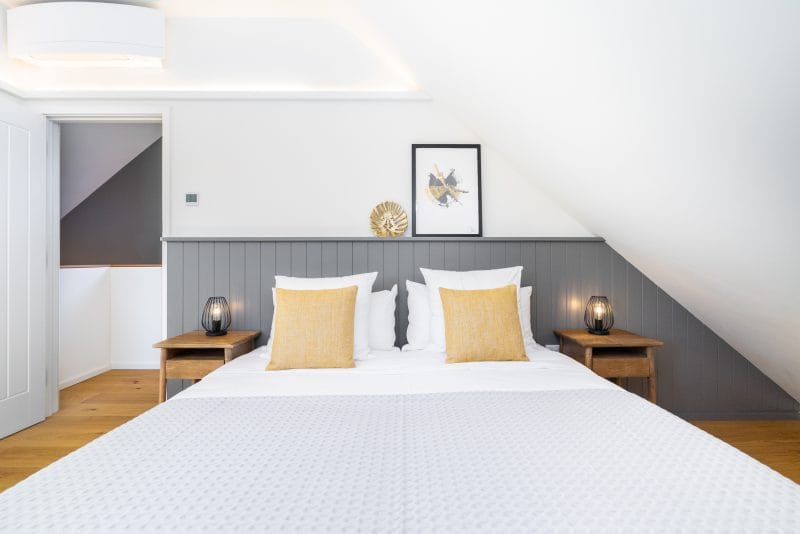
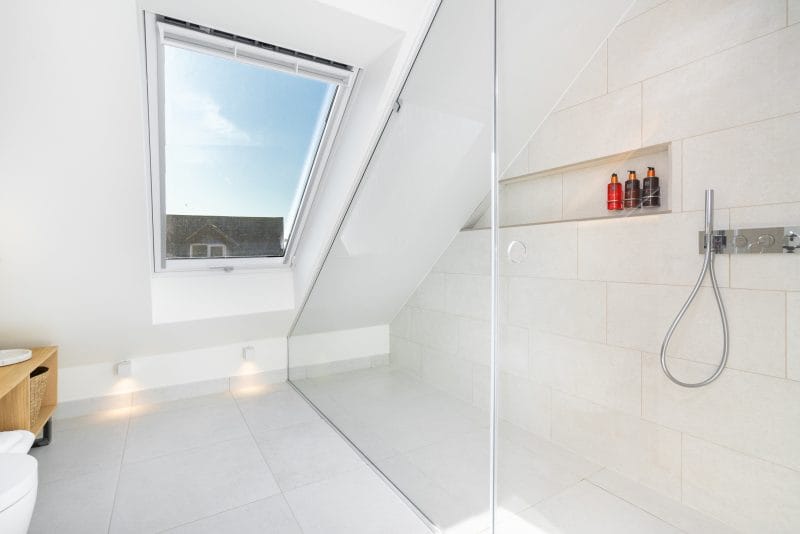
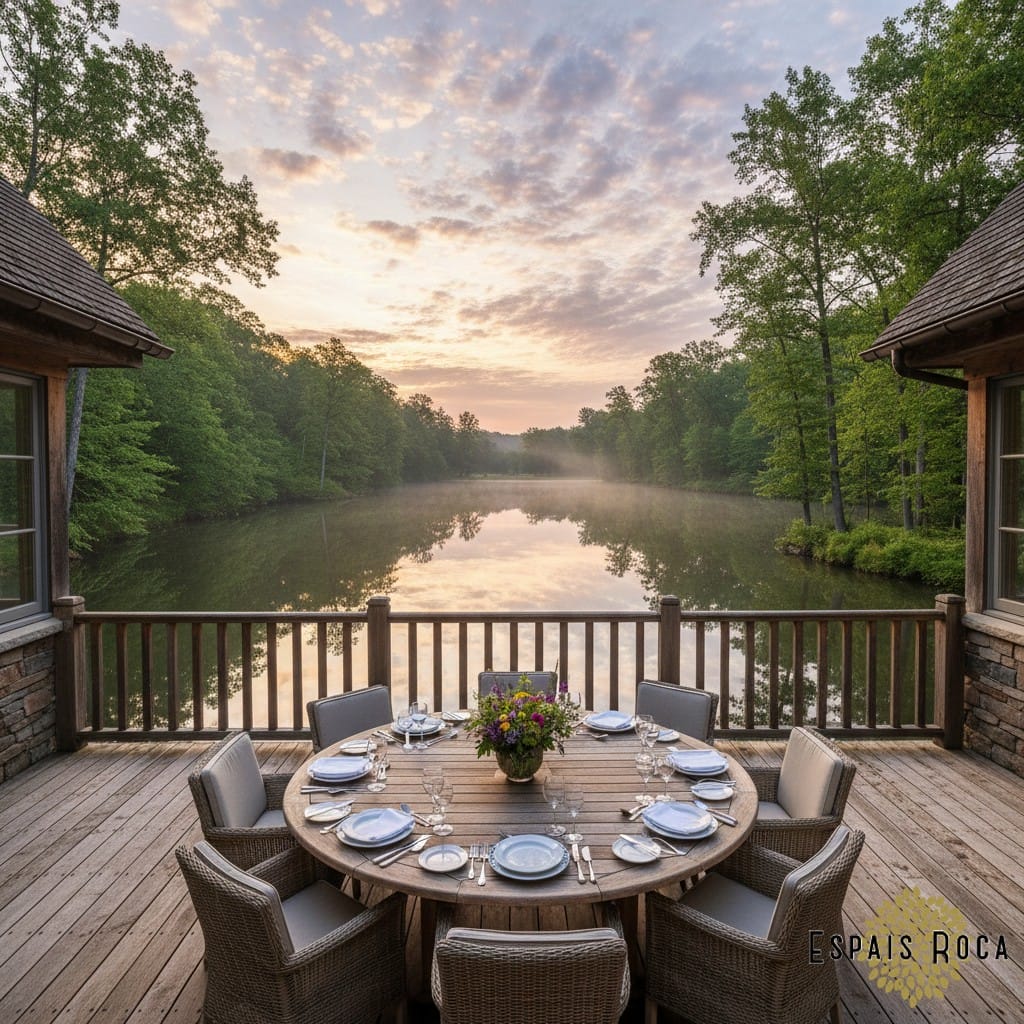
Inside The Loft
A lake-view stable conversion on the private 14 Acres estate at Clipston.



Cromwell, Fairfax and the Men Who Fought at Naseby
Fairfax commanded, and history has been slightly unfair to him. He was thirty-three, he had built the New Model Army, and he led from the front to the point of recklessness at Naseby. That he is less remembered than his cavalry commander says more about what happened afterwards than about the battle.
Cromwell was forty-six and had come to soldiering late, having been a middling Huntingdonshire gentleman before the war. He arrived at Naseby only the day before, appointed to command the horse at the army’s request. Within a few hours he had demonstrated the quality that defined him: not brilliance in the charge, but the far rarer ability to stop one.
On the other side, Prince Rupert was twenty-five and had been fighting since his teens. He was the most gifted cavalry commander of the war and its most consistent liability, because he could break any formation put in front of him and could not reliably bring his men back afterwards. Naseby was the last time it mattered.
The ordinary soldiers are harder to see. Both armies were largely English, many were pressed rather than volunteers, and a considerable number on the Royalist side were Welsh infantry who took the worst of the final collapse. The camp followers suffered badly in the aftermath, in an episode that later writers dealt with by not dealing with it at all.
Visiting Naseby Battlefield Today
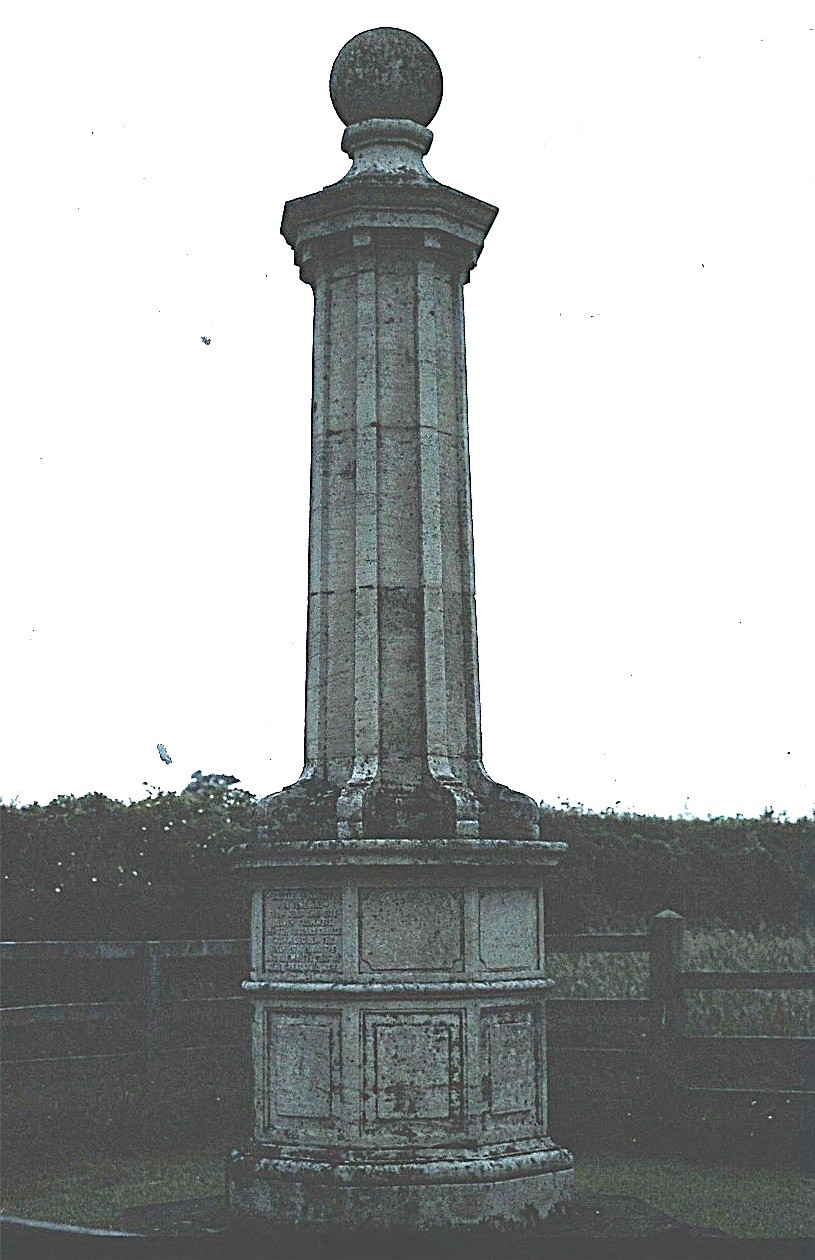
Set your expectations correctly and this is an excellent visit. Set them wrong and it is a field. There is no exhibition, no cafe and no staff. What there is instead is the ground itself, largely unchanged, with monuments and interpretation panels at the key positions.
Two monuments mark the site. The older stands near the village and the obelisk on the battlefield gives the better sense of the terrain. Between them and the viewing points you can work out where the lines formed and why the ridge mattered.
Practical Notes
- Cost: Free, with open access to the monuments and viewpoints
- Facilities: None on the battlefield. Use Naseby village or Market Harborough
- Footwear: This is working farmland. Boots in anything but high summer
- Parking: Limited roadside space. Park considerately, these are working lanes
- Read first: Ten minutes of preparation transforms the visit. Arriving cold, it is a field
- Time needed: An hour to ninety minutes for the monuments and viewpoints
- Respect the land: Much of it is private and farmed. Stay on paths and open access
Naseby Village and the Surrounding Countryside
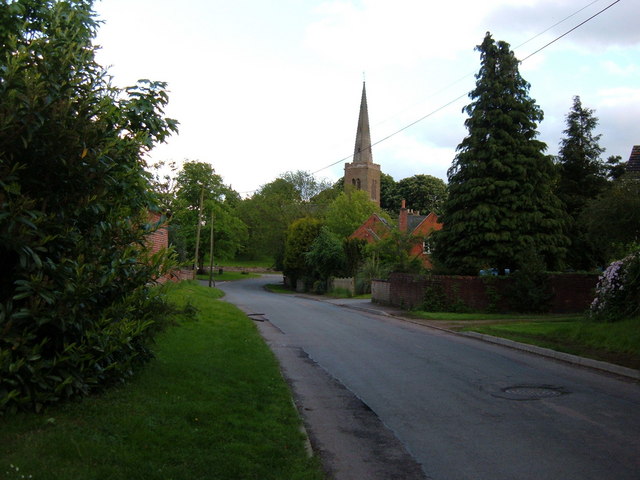
Naseby is a small ironstone village on high ground, and the elevation is worth noticing because it is why the armies met here at all. This is some of the highest land in the county, and the watershed running through it sends rivers to both the Wash and the Bristol Channel.
The village itself takes twenty minutes to walk round. It is not a tourist destination and does not pretend to be, which is part of the appeal for anyone who has spent a day in a heritage car park. Combine it with the battlefield and you have a comfortable morning.
That elevation shaped the fighting more than any decision either commander made. Armies of this period wanted a ridge, because holding higher ground meant an attacker had to climb into your fire and your cavalry could charge downhill rather than up. Both sides understood that perfectly well, which is why they ended up facing each other across this particular stretch of Northamptonshire rather than somewhere more convenient.
It also explains the weather problem. Open high ground with no tree cover is exposed in every direction, and a visit in a cold wind is a genuinely different experience from a visit in June. There is nowhere to shelter and nothing to duck behind, which is worth remembering both as a visitor and as a way of imagining what standing there in formation for several hours actually involved.
The wider area is threaded with the same Civil War history. There is a Cromwell monument at Clipston a few minutes away, covered in our guide to the Cromwell Monument near the estate, and the villages between the two carry their own local accounts of the days around the battle.
A Note from Susan, Your Host
Naseby is the one guests are most surprised by, because there is nothing there in the usual sense and that is exactly the point. Read the outline of the battle before you set off, since nobody on site will tell you. Go in the morning when the light is low across the ridge, wear boots, and then come back through Kelmarsh or Lamport for lunch.
How to Get the Most from a Naseby Battlefield Visit
The single biggest difference between a good visit and a disappointing one is preparation. This is a site that rewards knowing the story before you arrive, because there is nobody there to tell it to you.
| Do this | Why |
|---|---|
| Read the outline of the battle first | There is no interpretation centre to brief you |
| Start at the obelisk on the battlefield | It gives the clearest read of the ground |
| Face north from the Parliamentarian position | You see what Fairfax saw as the Royalists advanced |
| Walk the village afterwards | The older monument and the local context |
| Bring binoculars if you have them | The distances involved are larger than they look |
| Go in decent weather | There is no shelter anywhere on the site |
Naseby and Bosworth: Two Battles, Two Very Different Visits
The Midlands holds two battlefields that changed English history, and they offer opposite experiences. Bosworth in 1485 ended the Wars of the Roses and began the Tudors. Naseby in 1645 broke the Royalist cause and led to a king’s execution.
| Naseby | Bosworth | |
|---|---|---|
| Date | 14 June 1645 | 22 August 1485 |
| Facilities | None. Monuments and viewpoints | Heritage centre, exhibition, cafe, trail |
| Cost | Free | Paid exhibition |
| Preparation needed | Considerable | Little, the exhibition briefs you |
| With children | Harder | Much easier |
| From Clipston | Around 10 minutes | Around 50 minutes |
If you have children, do Bosworth Battlefield first, since the exhibition and the free play space carry the day. Naseby rewards the visitor who already cares, and it is better appreciated after you have had the earlier war explained properly somewhere else.
Combining Naseby with Other Days Out
Naseby is ninety minutes, not a day, which makes it an excellent first stop rather than a destination in itself. The country houses on the A508 are the obvious pairing and sit within fifteen minutes.
A good morning runs Naseby first while the light is low across the ridge, then Kelmarsh Hall or Lamport Hall for lunch and gardens. For a complete change of pace the next day, Foxton Locks is twenty-five minutes north. The Northamptonshire guide covers the wider area.
“Thank you for a wonderful stay. This was our 4th time staying at the loft and we always find it very relaxing. Look forward to returning soon.”
Catrina · June 2025 · verified review on Airbnb
Where to Stay Near Naseby Battlefield
Naseby has no visitor accommodation and the surrounding villages are small. Market Harborough is the nearest town with hotels, about fifteen minutes north, and Northampton is around half an hour south.
For a stay of several days, self-catering in one of the villages works better. Clipston is ten minutes from the battlefield and ten from Market Harborough, which is about as central as this part of Northamptonshire gets. Our guides to family cottages in Northamptonshire and cottages in Leicestershire cover what is available.
Stay at The Loft
Naseby battlefield is about ten minutes from the estate. The Loft is a lake-view stable conversion on the private 14 Acres estate at Clipston, ten minutes from Market Harborough, sleeping six plus two infants. See the full list of amenities.
Check availabilityFrequently Asked Questions
When Was the Battle of Naseby?
14 June 1645. Parliament’s New Model Army, under Sir Thomas Fairfax with Oliver Cromwell commanding the cavalry, decisively defeated the Royalist army of Charles I and Prince Rupert. It is generally regarded as the turning point of the First English Civil War.
Where Is Naseby Battlefield?
Near the village of Naseby in Northamptonshire, north-west of Northampton and about fifteen minutes south of Market Harborough. From Clipston it is roughly ten minutes by car. The site is open farmland marked by monuments and viewing points.
Is There a Visitor Centre at Naseby Battlefield?
No. There is no exhibition, cafe or staffed centre. The battlefield is marked by monuments and interpretation panels with open access, and it is free to visit. Read up on the battle before you arrive, because there is nobody on site to explain it.
Why Was the Battle of Naseby So Important?
It destroyed the Royalist field army, and Charles I could not replace his veteran infantry. His captured private letters were then published as The King’s Cabinet Opened, showing he had sought Catholic and foreign military support, which badly damaged his political position. The First Civil War was effectively settled.
Who Won the Battle of Naseby and Why?
Parliament won. Both cavalry commanders broke the wing facing them, but Prince Rupert pursued the fugitives off the field while Cromwell halted, reformed and turned back onto the exposed Royalist infantry. That difference in discipline decided the battle.
Can You Walk the Naseby Battlefield?
Yes, using the monuments, viewing points and public paths. Much of the surrounding land is privately farmed, so stay on paths and open access areas. Wear boots outside high summer, as this is working farmland rather than parkland.
How Long Do You Need at Naseby?
An hour to ninety minutes covers the monuments, the viewpoints and the village. It works best as a first stop in the morning, paired with Kelmarsh Hall or Lamport Hall for lunch and gardens afterwards.
Is Naseby Battlefield Good for Children?
Honestly, it is hard work for younger children. There is nothing interactive and no facilities. Bosworth Battlefield, with its exhibition, trail and free Discovery Zone play space, is much better suited to a family day out.
What Was the New Model Army?
Parliament’s reformed national army, created over the winter before Naseby. It was paid and supplied centrally rather than raised regionally, and officers were promoted on ability rather than social rank. Naseby was its first major test and it settled the argument.
Is It Free to Visit Naseby Battlefield?
Yes. There is no admission charge and no ticket office. Parking is limited roadside space in and around the village, so park considerately given these are working lanes used by farm traffic.