
Lamport Hall is the Northamptonshire country house that most people drive past, and it has a better claim to fame than almost any of its bigger neighbours. The garden gnome, that fixture of British suburbia, started here in the 1840s, and the original is still on site.
Planning your stay?
Luxury Countryside Stays at The Loft — check availability and book direct.
Beyond the gnome, this is a house that stayed in one family for more than four centuries, which gives it a continuity most stately homes lost long ago. This guide covers what to see, when to go, how it compares with the other houses nearby, and where to stay if you are making a weekend of it.
Lamport Hall At A Glance
- Where: Lamport, Northamptonshire NN6 9HD, though use NN6 9EZ for a sat nav
- The claim to fame: Britain’s first garden gnomes, introduced here in the 1840s
- Gardens: Around ten acres, including the rockery that started it all
- Food: The Stables Cafe
- Also hosts: Weddings, corporate events, Christmas parties, group and school visits
- Time needed: Two to three hours for house and gardens
- Before you go: Opening days vary by season, so check or ring 01604 686272
Where Lamport Hall Is and How to Get There
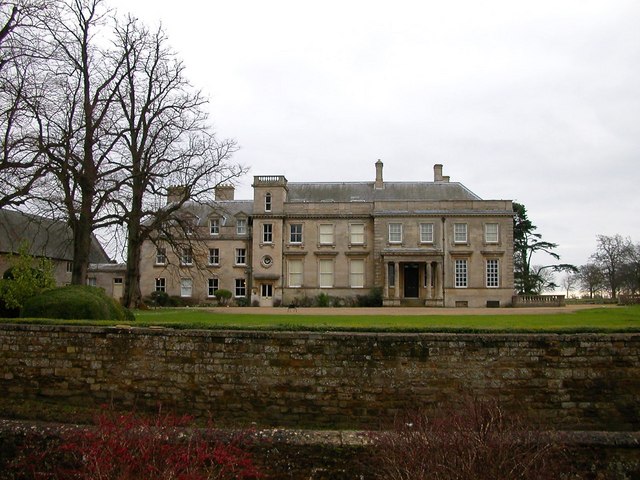
Lamport sits on the A508 between Market Harborough and Northampton, in the stretch of open Northamptonshire countryside that also holds Kelmarsh a few minutes to the north. From Market Harborough it is around twenty minutes, and from Northampton about the same.
The postcode is a genuine trap. The Hall’s address is NN6 9HD, but the estate directs sat navs to NN6 9EZ instead, and following the first one can put you at the wrong end of the village. Use NN6 9EZ and the entrance is where you expect it.
There is no useful public transport for a day visit. Market Harborough is the nearest station and from there you would need a taxi, so plan on driving.
The A508 itself deserves a word. It is a fast single-carriageway road with country-house entrances opening directly off it, and the turnings arrive with less warning than the speed suggests. Kelmarsh has the same characteristic a few minutes north. If you are visiting both in a day, take the second turning at a gentler pace than the first, because it is the one people are least ready for.
Lamport Hall and the First Garden Gnomes in Britain
In the 1840s Sir Charles Isham built an elaborate rockery against the side of the house, an intricate arrangement of miniature alpine planting and stone. It was a serious horticultural project by a serious eccentric, and it needed inhabitants.
He imported small terracotta figures from Germany to populate it. Those figures are generally accepted as the first garden gnomes in Britain, and the whole of the nation’s subsequent relationship with garden ornaments descends from one Northamptonshire baronet’s rockery.
One of the originals survives. Known as Lampy, he is the sole remaining member of that first group and is generally described as the oldest garden gnome in Britain. He is small, weathered and considerably more dignified than his descendants.
Insider Tip
Ask about Lampy when you arrive rather than hunting for him. He is not large and he is not signposted like a theme-park attraction. Half the pleasure is being shown where he sits by somebody who knows the story, and the staff here are unusually good at telling it.
What to See Inside Lamport Hall
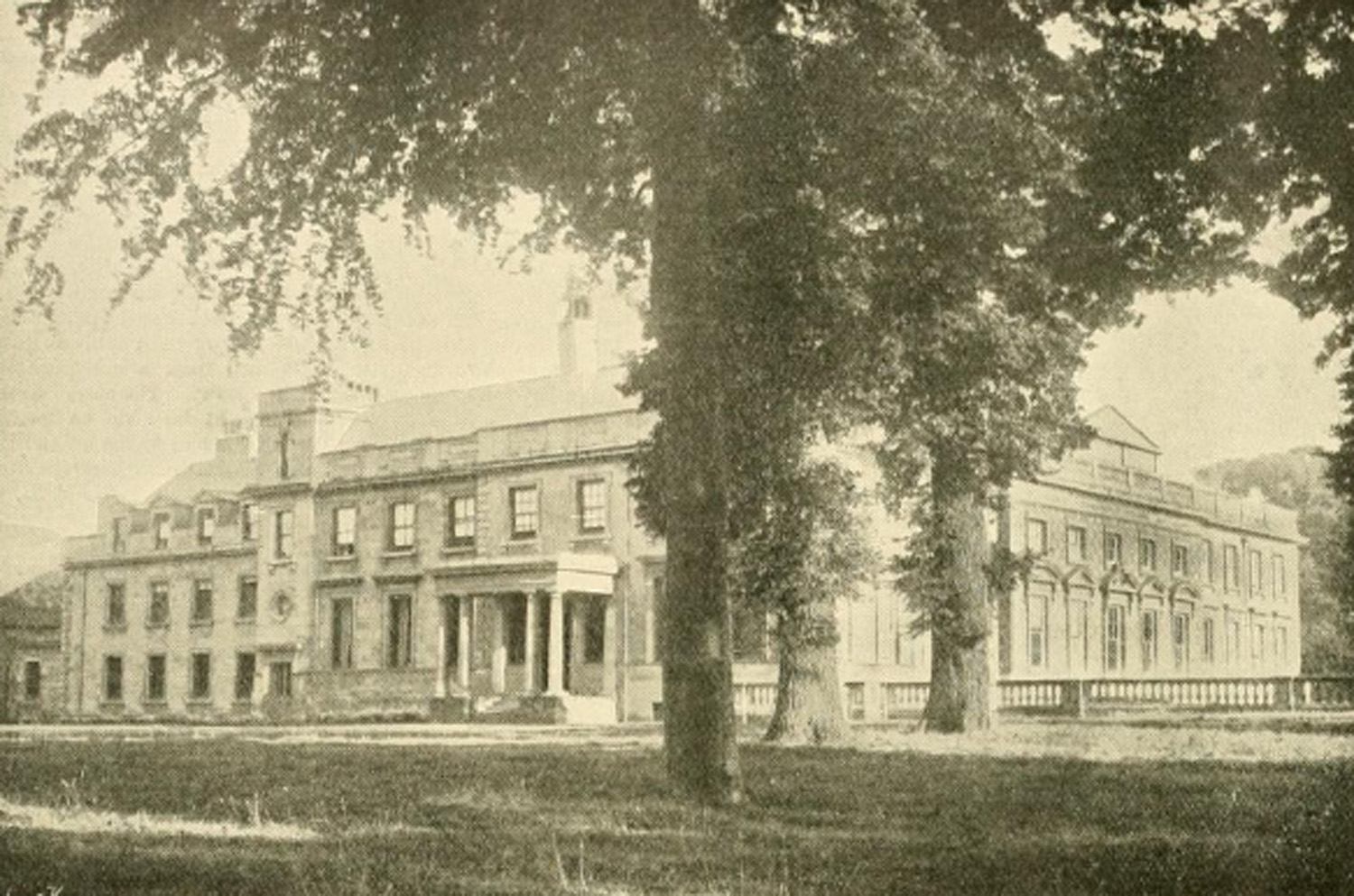
The Ishams held Lamport from the sixteenth century until the line ended in the twentieth, and the house reflects that long single ownership. Rather than one grand rebuilding it accumulated in layers, each generation adding to what it inherited.
The result is a house of rooms rather than a house of statements. The library is the highlight for most visitors, being the kind of working collection that grew because people kept buying books, not because somebody commissioned a look. There is furniture, paintings and china accumulated over the same span.
It is a manageable size, which matters more than it sounds. You are not going to be shuffling through forty rooms wondering when it ends, and that makes it a better choice than a larger house if you are visiting with anyone whose enthusiasm for period interiors is finite.
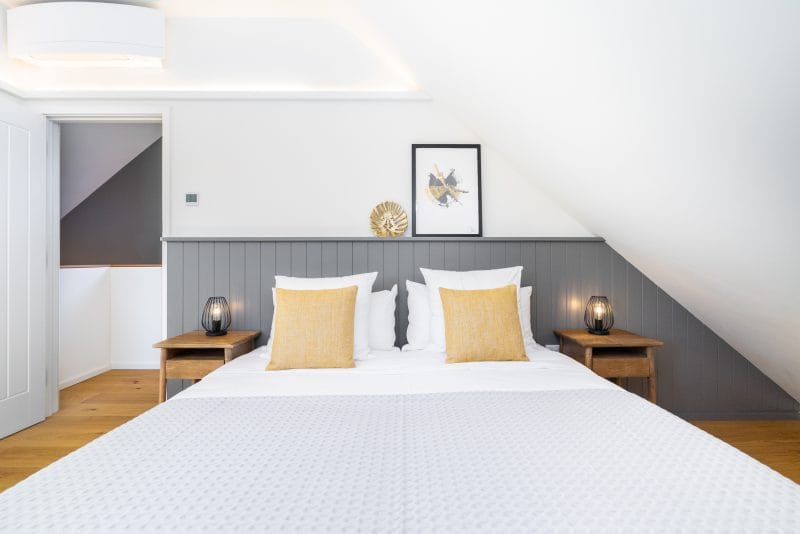
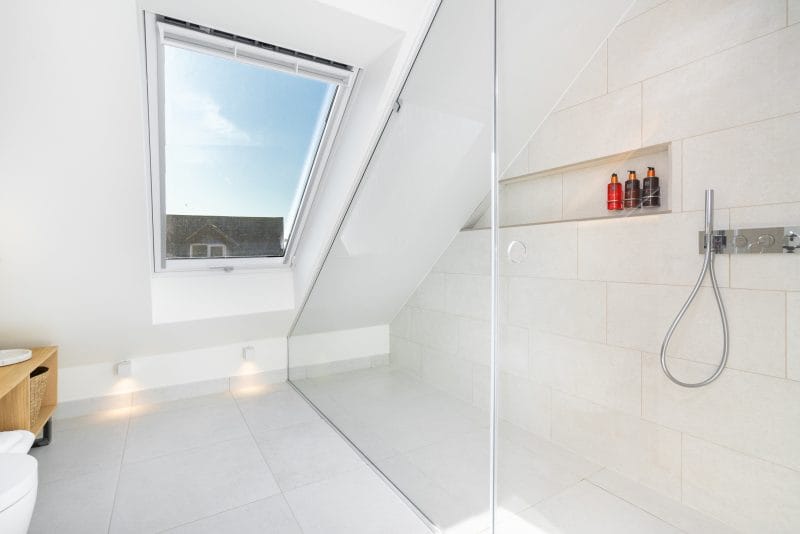
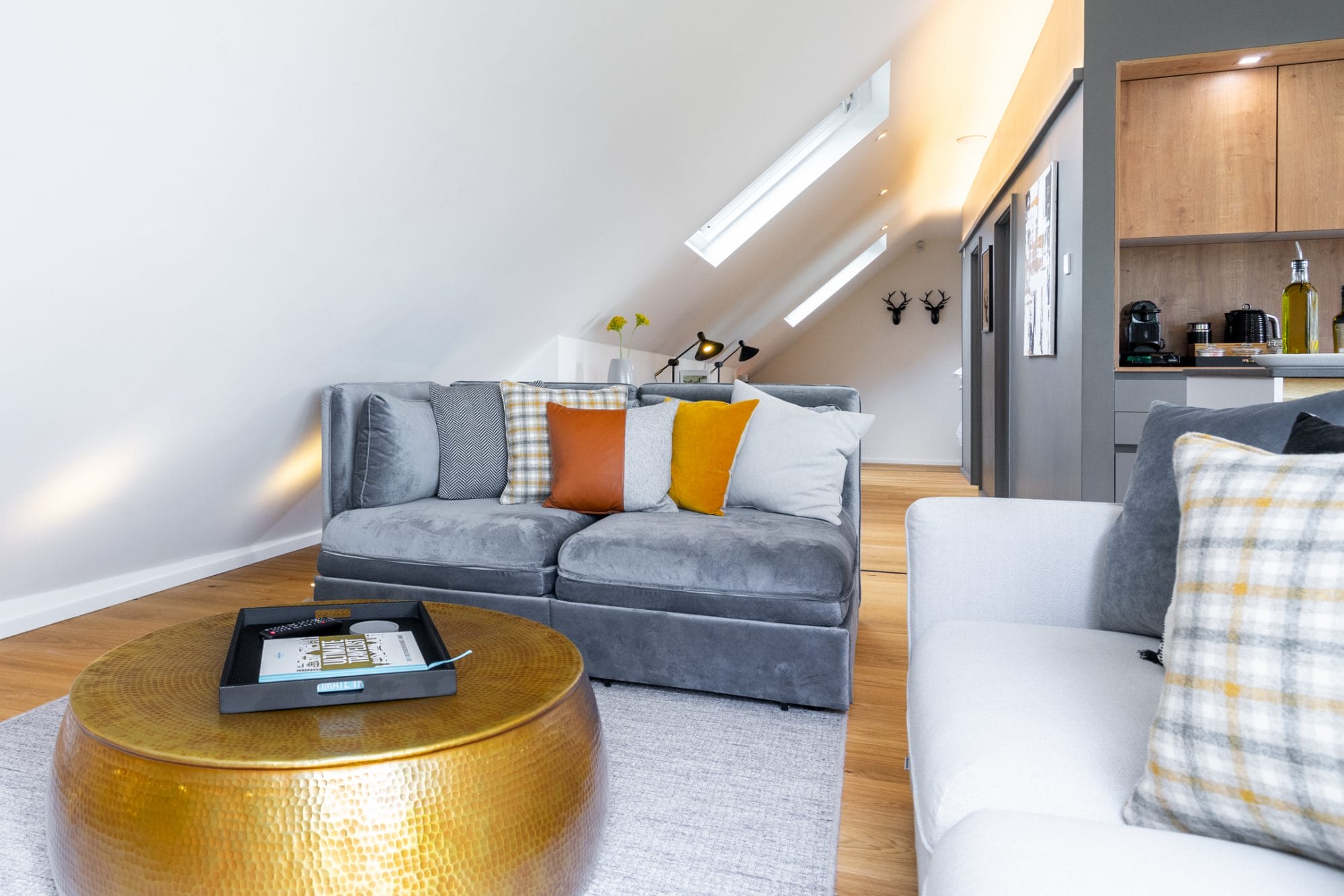
Inside The Loft
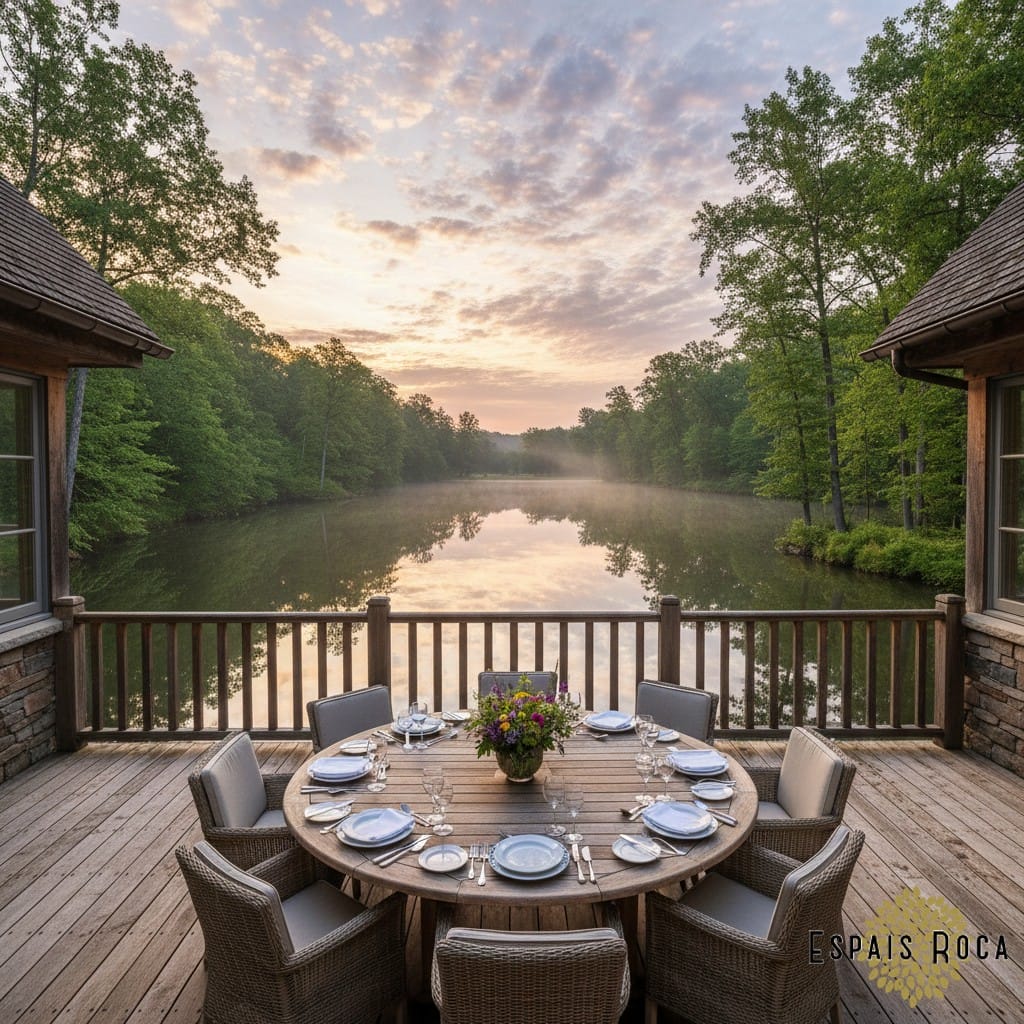
A lake-view stable conversion on the private 14 Acres estate at Clipston.


The Gardens at Lamport Hall
Around ten acres of gardens surround the house, and they are the reason to come back rather than the reason to come once. The rockery is the historically significant part, but the wider grounds carry lawns, borders and mature planting that change substantially through the season.
What to Look For in the Gardens
- The rockery, the birthplace of the British garden gnome and a serious piece of Victorian horticulture in its own right
- Lampy himself, if you ask
- The borders, which are at their fullest in early summer
- The wider grounds, for the walk that turns an hour’s visit into a morning
- The Stables Cafe, which is where most visits end up whether planned or not
Ten acres is a useful size. It is big enough to walk properly and small enough that you will not miss half of it, which is the failing of the very large estate gardens where you spend the visit choosing between sections.
The Isham Family and Four Centuries at Lamport
Most English country houses have changed hands repeatedly, and each new owner rebuilt, redecorated or demolished according to the fashion of their decade. Lamport did not. The Ishams arrived in the sixteenth century and stayed until the line ran out in the twentieth, which is an unusually long run by any measure.
That continuity is visible in the fabric. The house grew outward and upward across generations rather than being swept away and started again, so the seventeenth-century work sits alongside the eighteenth and the Victorian without any of it being erased. Architects of real standing were involved at various points, but none of them was given a clean sheet.
The same applies to what is inside. A collection assembled by one family over four hundred years looks different from one bought in a decade: it contains the things people actually wanted, kept and used, along with a good deal that no curator would have selected. That is the appeal, and it is why the library is the room most visitors remember.
Sir Charles Isham, the gnome man, fits this pattern rather than breaking it. A Victorian baronet with the time and money to build an elaborate rockery and populate it with imported terracotta figures is exactly the kind of person a long, secure family line produces. The house is full of quieter versions of the same thing.
The Best Time to Visit Lamport Hall
Because so much of the appeal is outdoors, the month matters. The gardens carry the visit from late spring through early autumn, and a wet February would leave you with the interiors alone.
When to Go
- Late spring: The borders coming into their own and the quietest visitor numbers
- Early summer: The gardens at their fullest, and the best of the ten acres
- High summer: Busiest for events, so the highest chance of a closed house
- Early autumn: Good light on the building and comfortable walking
- Winter: Largely the Christmas programme rather than ordinary opening
- Any time: Ring first. This is the one house locally where that genuinely matters
A Note from Susan, Your Host
Ring before you go. Lamport takes a lot of weddings and private events and the house is not open as predictably as guests expect, which is the one complaint I hear about it. Pair it with Kelmarsh on the same day, since they are a few minutes apart on the same road, and ask someone to point out Lampy rather than trying to find him yourself.
Lamport Hall Events, Fairs and Weddings
Lamport runs a programme alongside the house openings, and for many people the events are the reason to visit rather than the interiors. The estate hosts fairs, group visits and school programmes, and it operates as a wedding and corporate venue with a Christmas party season on top.
The practical consequence is the same one that applies at every country house that pays its way this manner: the house is not always open when you expect it to be. Private hire takes precedence, opening days vary by season, and a wasted drive is entirely avoidable with one phone call to 01604 686272.
If you are considering it as a wedding venue, the same accommodation problem applies here as at Kelmarsh: it sits in open countryside with very little within ten minutes, so guest beds need solving early. Our Kelmarsh guide covers the same ground in more detail and the advice transfers directly.
Lamport Hall Compared to Nearby Country Houses
This corner of Northamptonshire and Leicestershire has an unusual concentration of houses open to the public, and they are genuinely different from one another. Choosing between them is easier than most guides make it sound.
| House | Best for | Scale | From Clipston |
|---|---|---|---|
| Lamport Hall | The gnome story, the library, a manageable visit | Modest | Around 20 minutes |
| Kelmarsh Hall | Gardens, lakeside walks, the tearoom | Modest | Under 15 minutes |
| Rockingham Castle | Views, Norman walls, the drama | Larger | Around 30 minutes |
| Burghley House | Grandeur on a different level entirely | Very large | Around 45 minutes |
If you only have time for one and you want gardens, take Kelmarsh. If you want a house with a genuinely odd story attached, take Lamport. Doing both in a day is comfortable, since they are a few minutes apart on the same road, and that pairing is the one we would suggest.
For the wider picture, our guide to things to do in Northamptonshire covers the parks, reservoirs and market towns alongside the houses.
Visiting Lamport Hall with Children
The gnome does a lot of work here. Country house interiors are a hard sell to most children, but the fact that every garden gnome in Britain traces back to this rockery is a story that lands, and finding Lampy gives the visit a purpose beyond looking at furniture.
Beyond that, ten acres of garden is room to move and the cafe solves the rest. Set expectations honestly though: this is a two-hour visit with a good anecdote attached, not a day out built around children. For that, the Leicester guide and the Foxton Locks guide both cover better options.
“Really lovely stay at the loft! Beautiful space kept very clean. Everything we needed set up for us, as travelling with a toddler. Also set in beautiful grounds which with the sunny weather we were able to explore a little bit. Would highly recommend.”
Lucy · April 2024 · verified review on Airbnb
Where to Stay Near Lamport Hall
Lamport has no accommodation of its own and the villages around it are small. Market Harborough to the north and Northampton to the south are the two towns with hotels, each about twenty minutes away.
For anything longer than a night, self-catering in the villages between the two works better and costs less. Clipston sits roughly in the middle, which puts Lamport, Kelmarsh, Market Harborough and the Leicestershire attractions all within a short drive of one base. Our guides to family cottages in Northamptonshire and cottages in Leicestershire set out what is available locally.
Stay at The Loft
Lamport Hall is around twenty minutes from the estate, and Kelmarsh is closer still. The Loft is a lake-view stable conversion on the private 14 Acres estate at Clipston, sleeping six plus two infants. See the full list of amenities.
Check availabilityFrequently Asked Questions
Where Is Lamport Hall?
Lamport Hall is at Lamport, Northamptonshire, on the A508 between Market Harborough and Northampton. The postal address is NN6 9HD but the estate advises using NN6 9EZ for sat navs. It is around twenty minutes from Market Harborough.
Is Lamport Hall the Home of the First Garden Gnome?
Yes. Sir Charles Isham imported small terracotta figures from Germany in the 1840s to populate the rockery he had built beside the house. They are generally accepted as the first garden gnomes in Britain. One original survives, known as Lampy, and he is usually described as the oldest garden gnome in the country.
What Are Lamport Hall’s Opening Times?
Opening days vary by season and the house is frequently closed for private events, weddings and corporate hire. There is no fixed year-round pattern, so check the official site or ring 01604 686272 before travelling rather than assuming.
How Long Do You Need at Lamport Hall?
Two to three hours covers the house, the ten acres of gardens and the Stables Cafe comfortably. It is a manageable size rather than a full day, which makes it easy to pair with Kelmarsh Hall a few minutes up the same road.
Is There a Cafe at Lamport Hall?
Yes, the Stables Cafe. As with the house, opening follows the seasonal pattern rather than running year-round, so confirm before planning lunch around it.
How Big Are the Gardens at Lamport Hall?
Around ten acres. That includes the historic rockery where the gnomes were introduced, plus lawns, borders and mature planting. It is large enough for a proper walk and small enough that you can see all of it in one visit.
Can You Get Married at Lamport Hall?
Yes, it operates as a wedding venue alongside corporate hire and Christmas events. If you are considering it, sort guest accommodation early. Lamport sits in open countryside with very little within ten minutes, and local beds are limited.
Lamport Hall or Kelmarsh Hall: Which Is Better?
They suit different visits. Kelmarsh has the stronger gardens, lakeside and woodland walks and a well-regarded tearoom. Lamport has the better story, the library and the garden gnome history. They are a few minutes apart on the same road, so doing both in one day is comfortable.
Is Lamport Hall Suitable for Children?
Reasonably, with the right expectations. The garden gnome story gives children something to engage with and finding Lampy gives the visit a purpose. It is still a two-hour country house visit rather than a day built around children.
How Long Did the Isham Family Own Lamport Hall?
More than four centuries, from the sixteenth century until the line ended in the twentieth. That unusually long single ownership is why the house reads as accumulated layers rather than one grand rebuilding, and why the collections inside have the character of things kept rather than things bought for display.